

やがて歴史になる INDIA NAGALAND
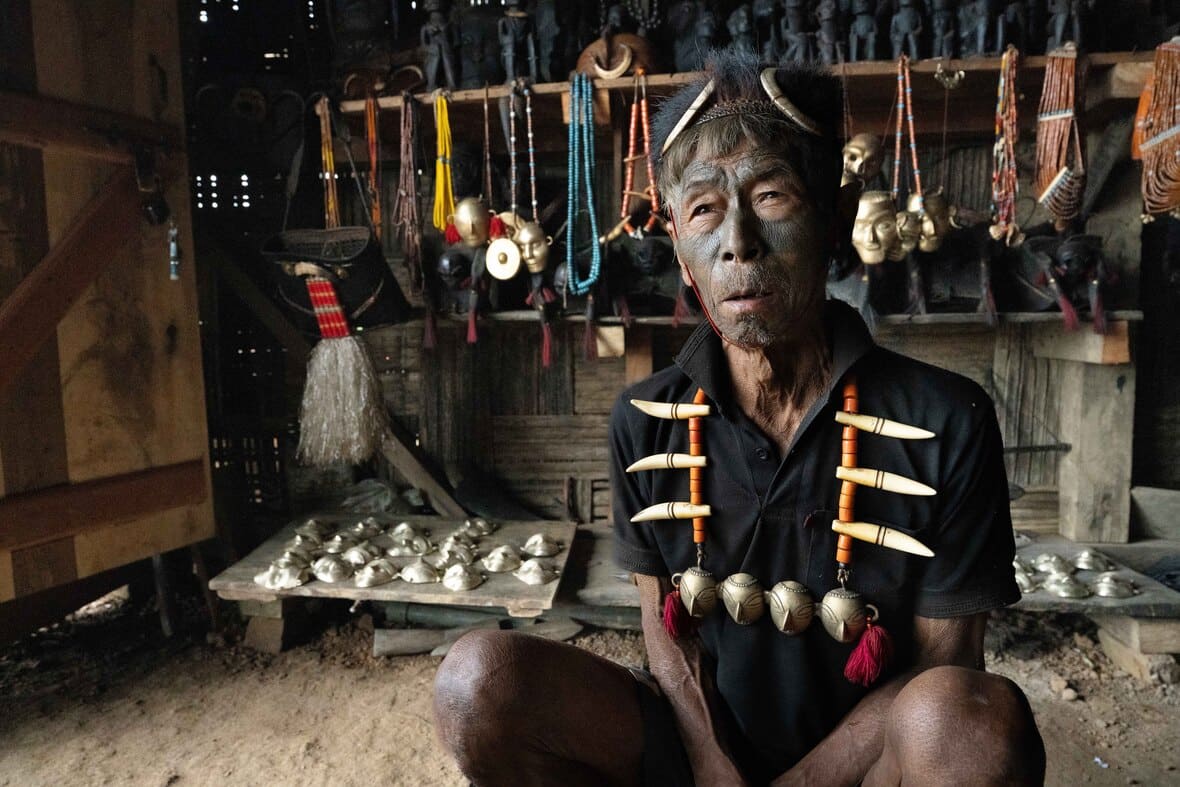
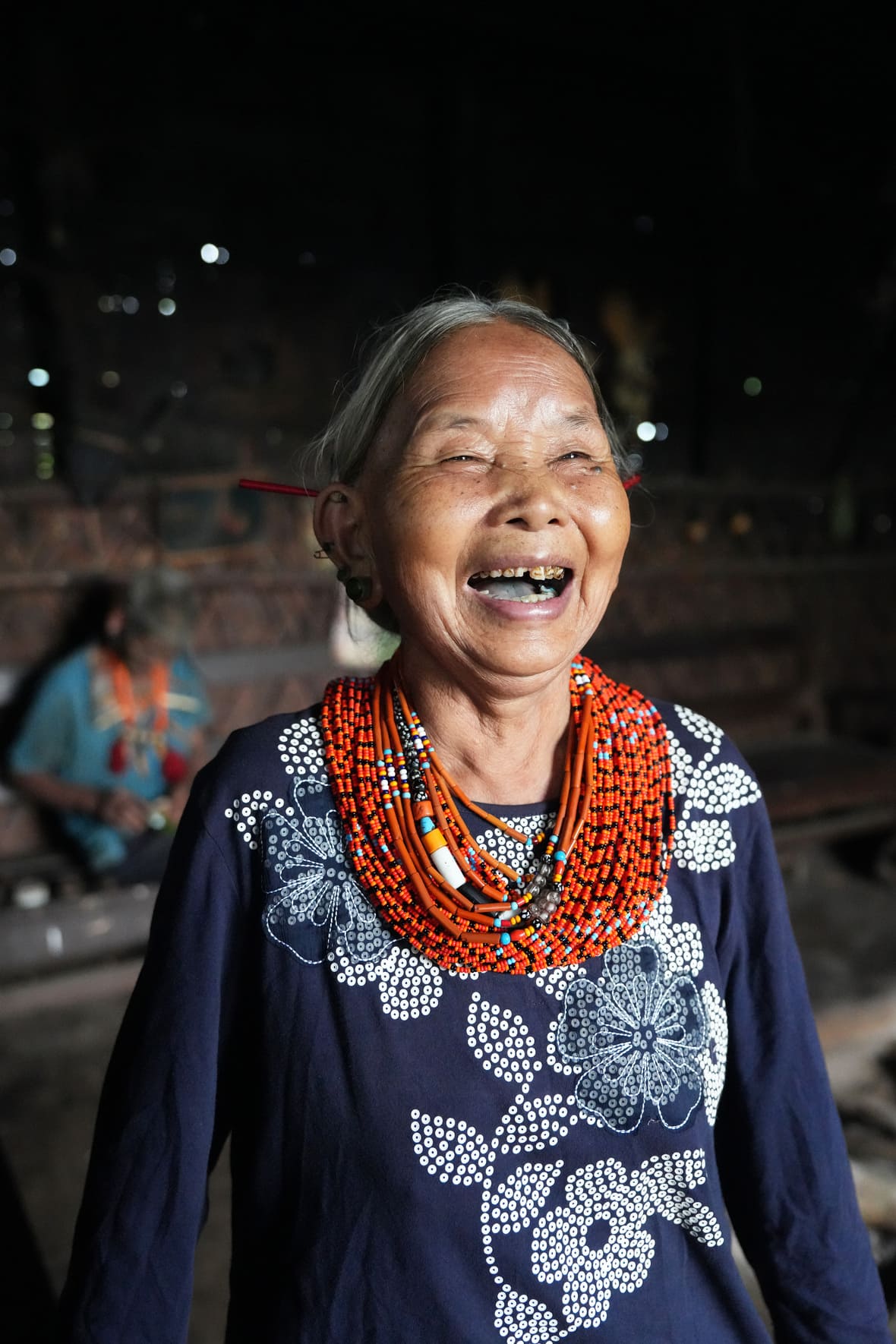
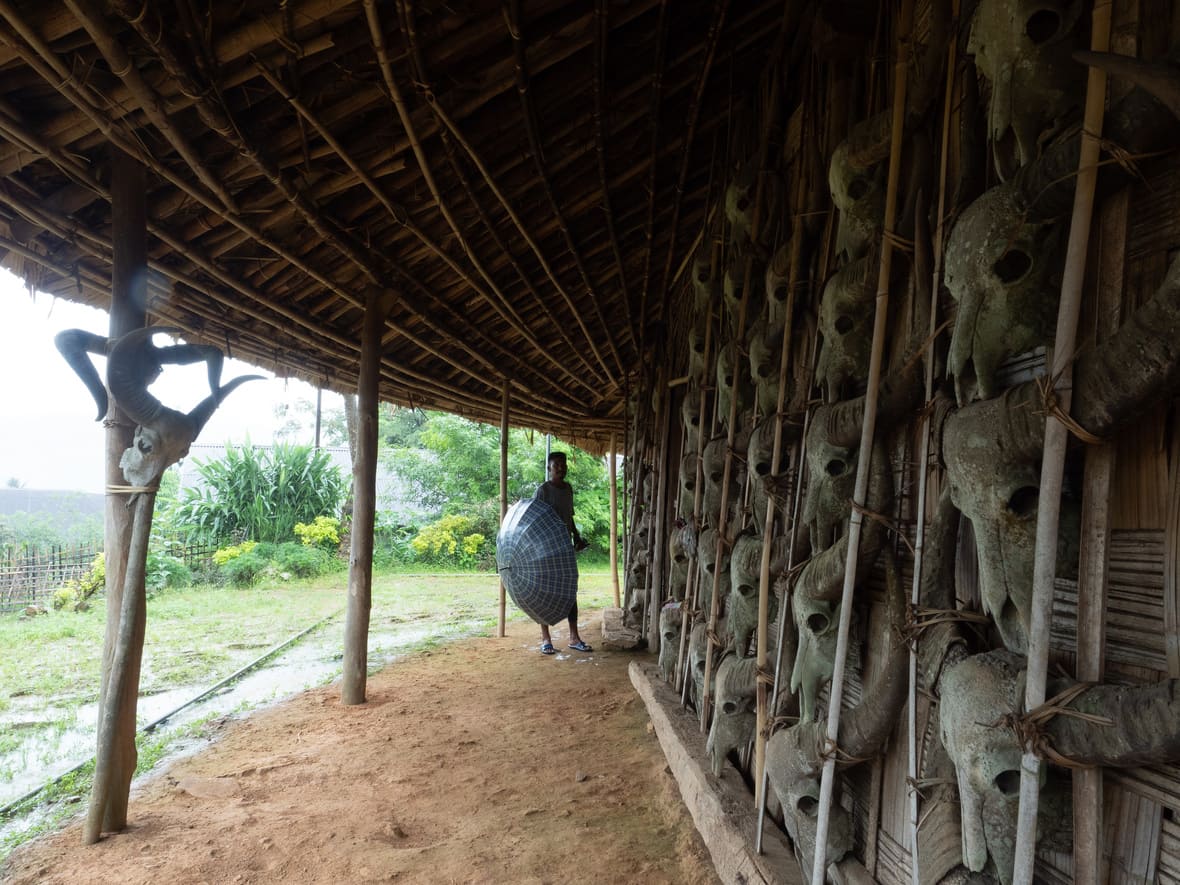
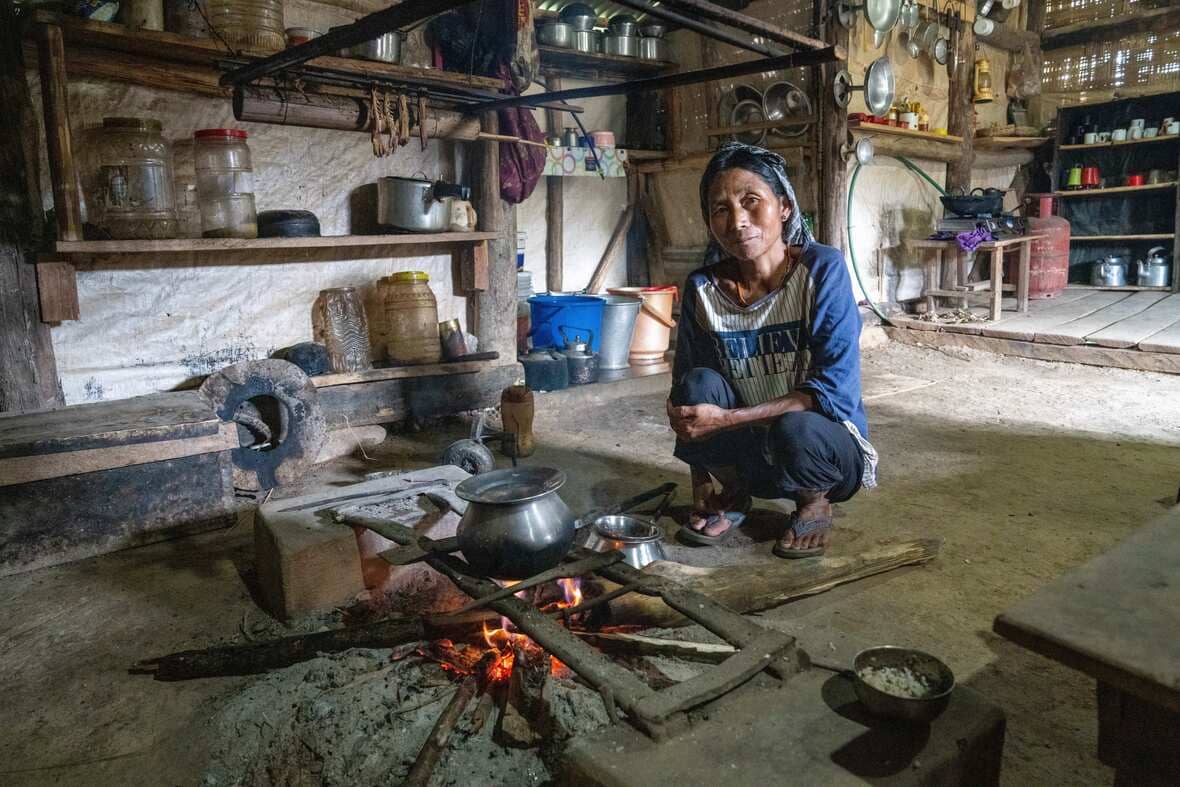
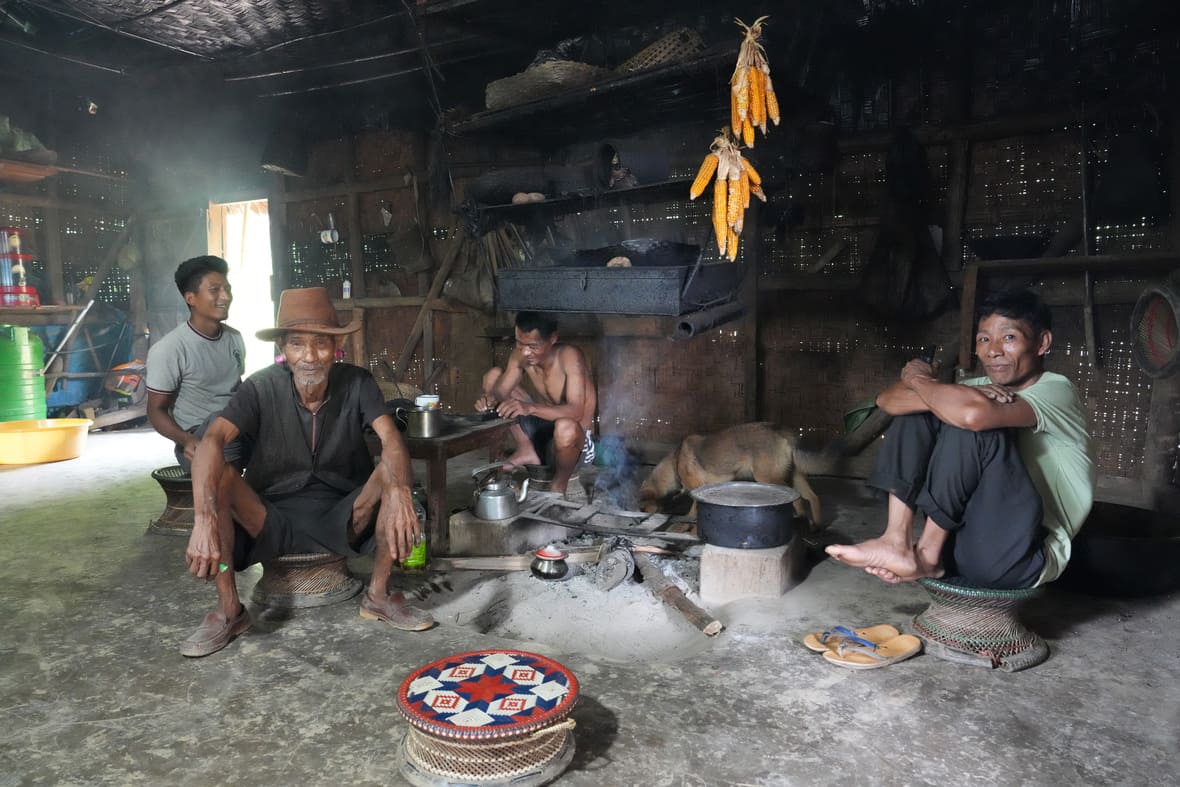
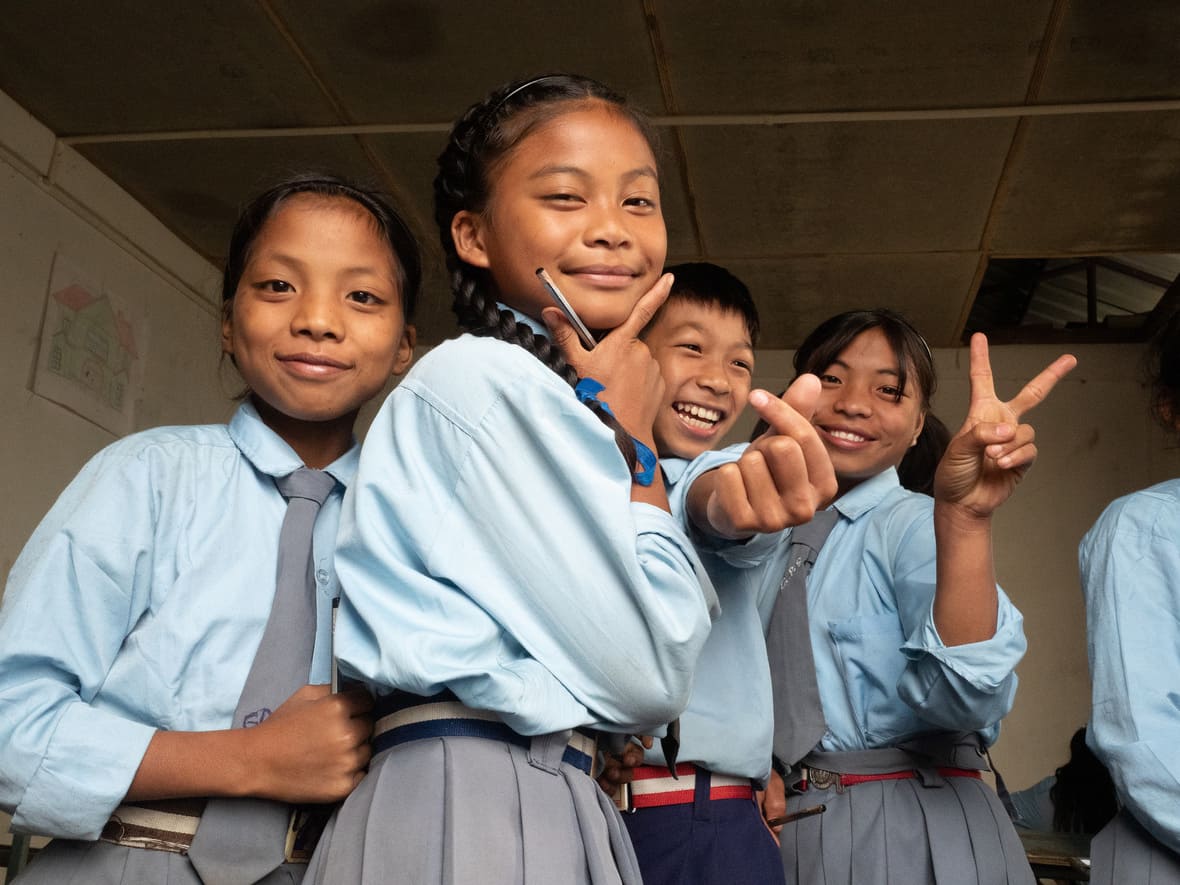
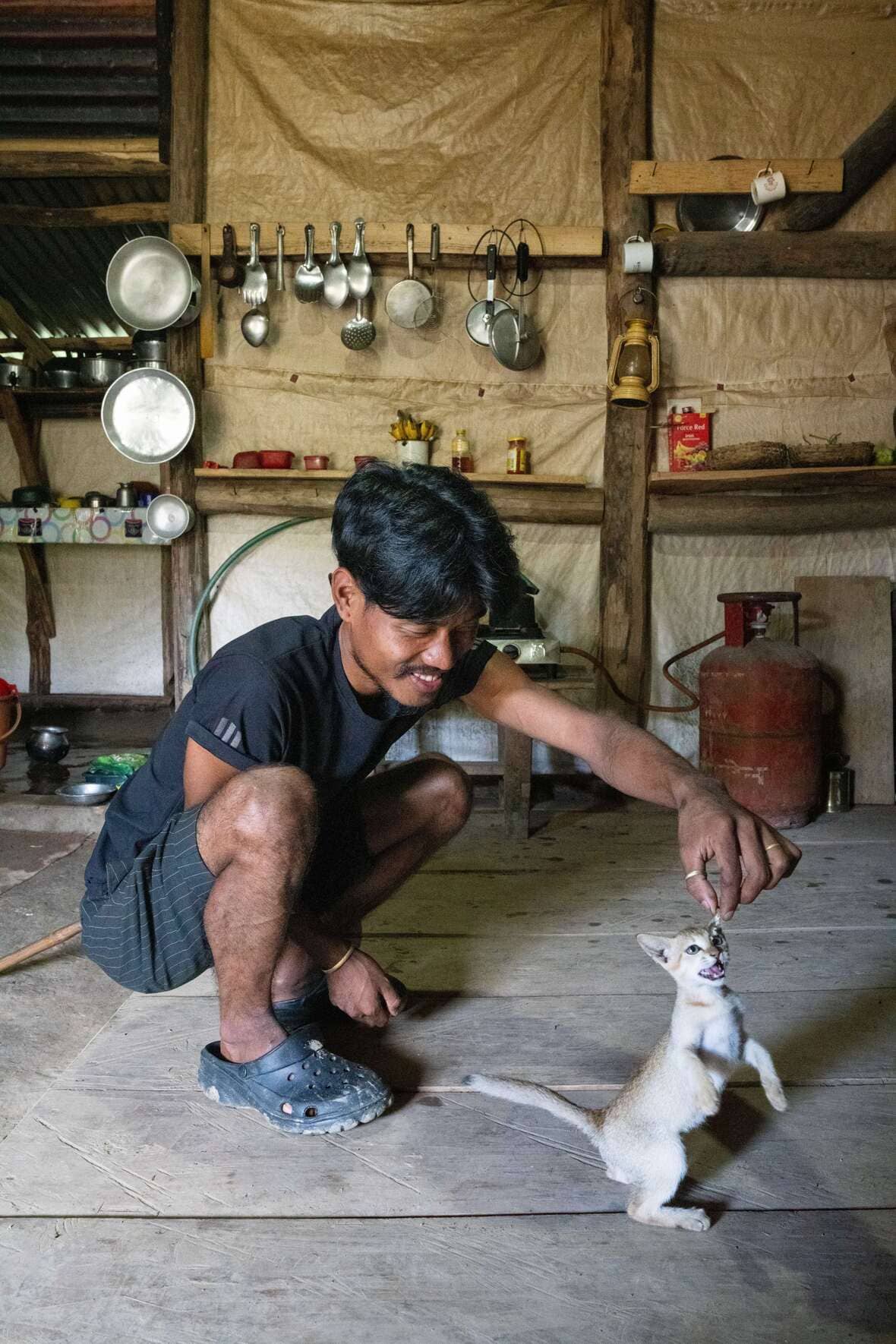
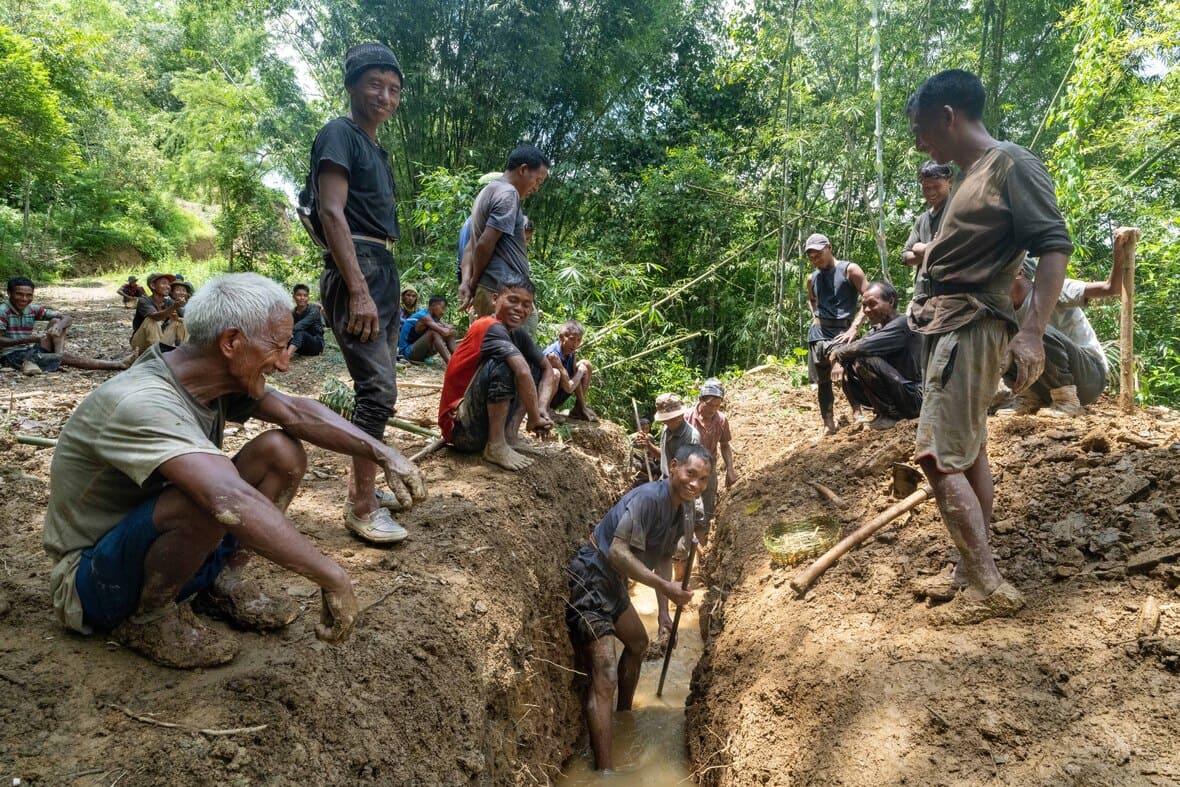
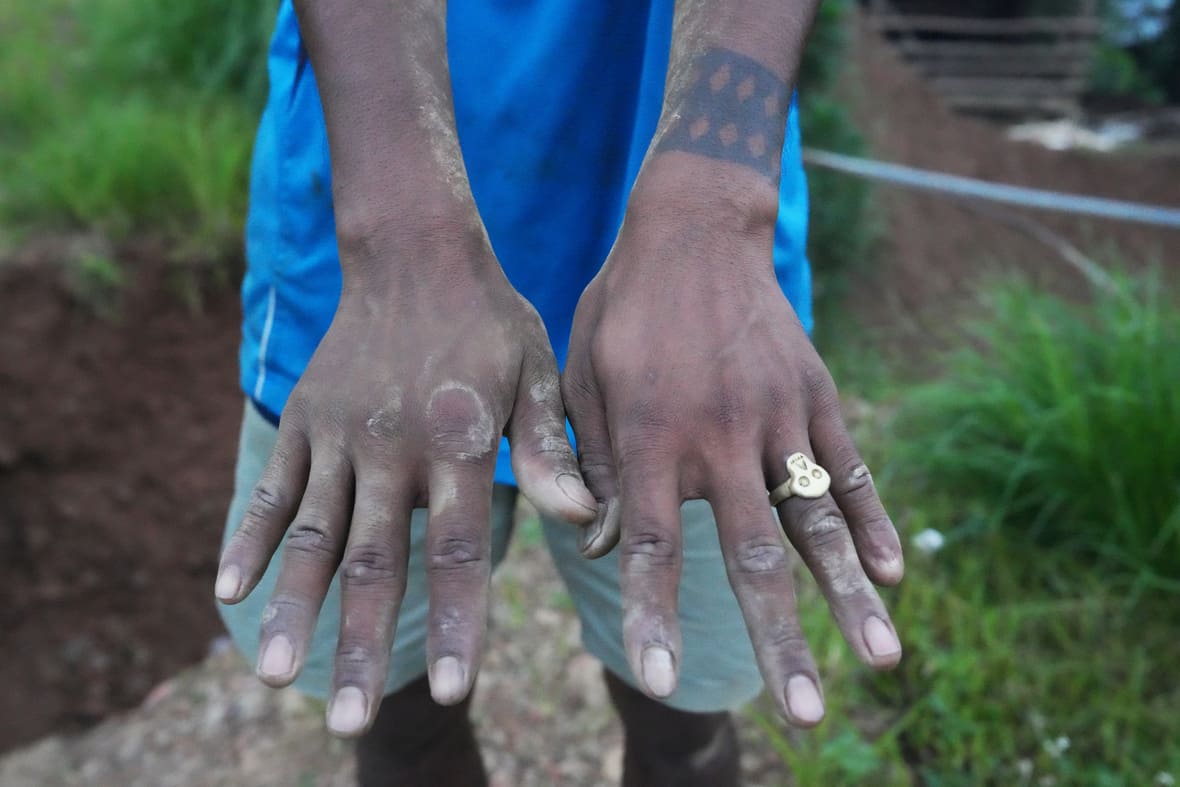
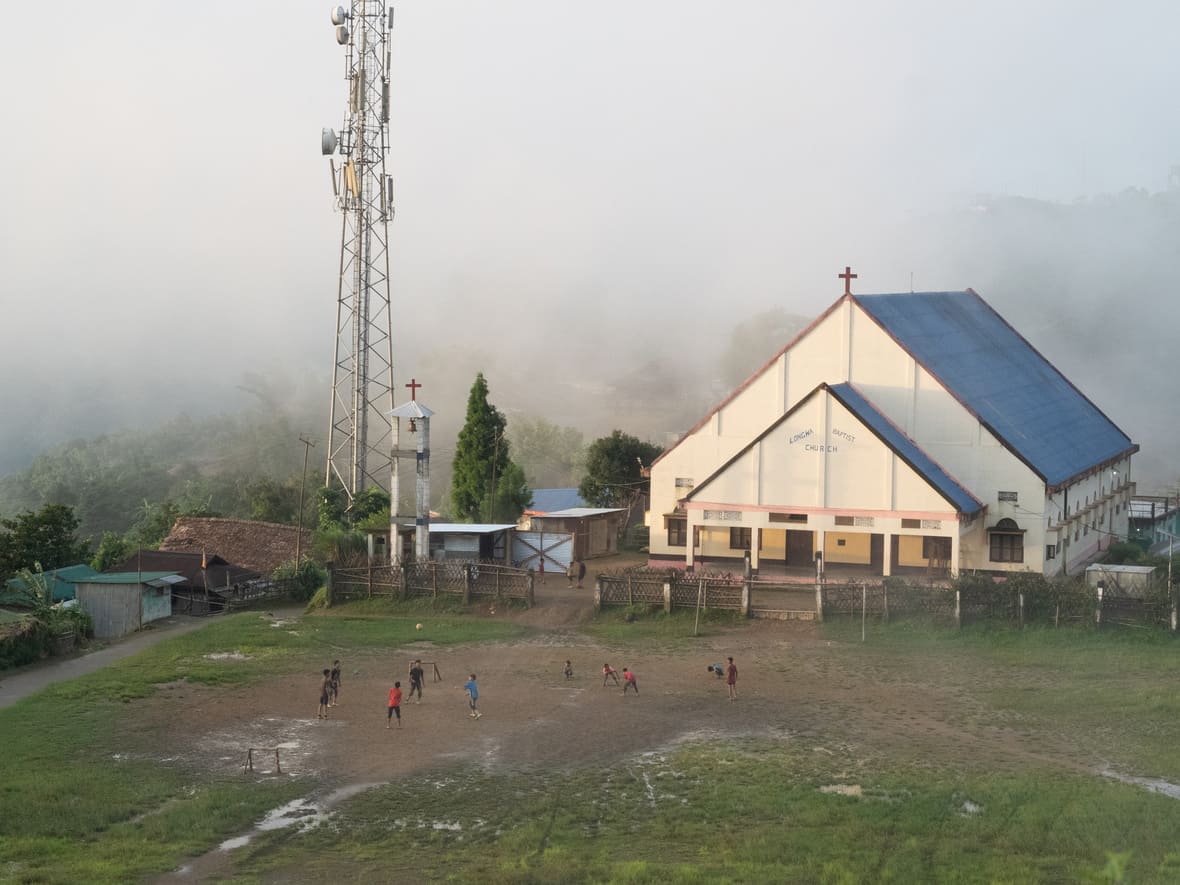
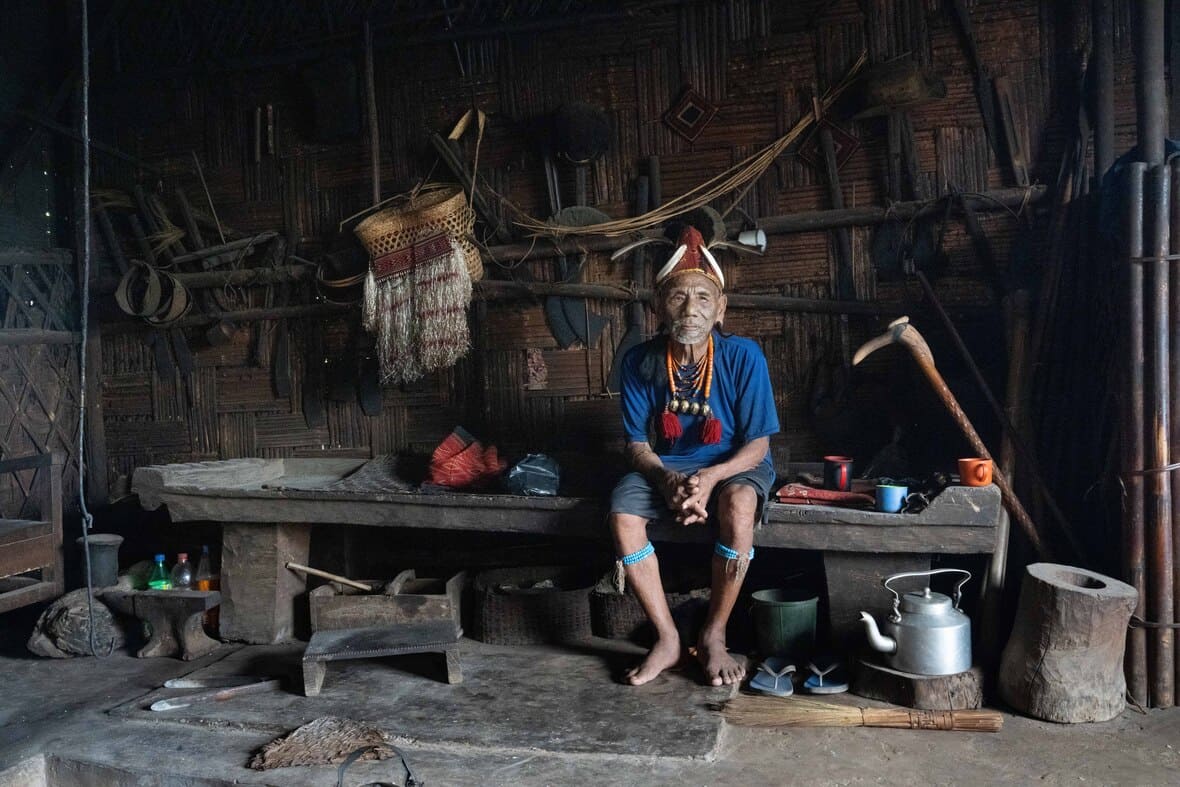
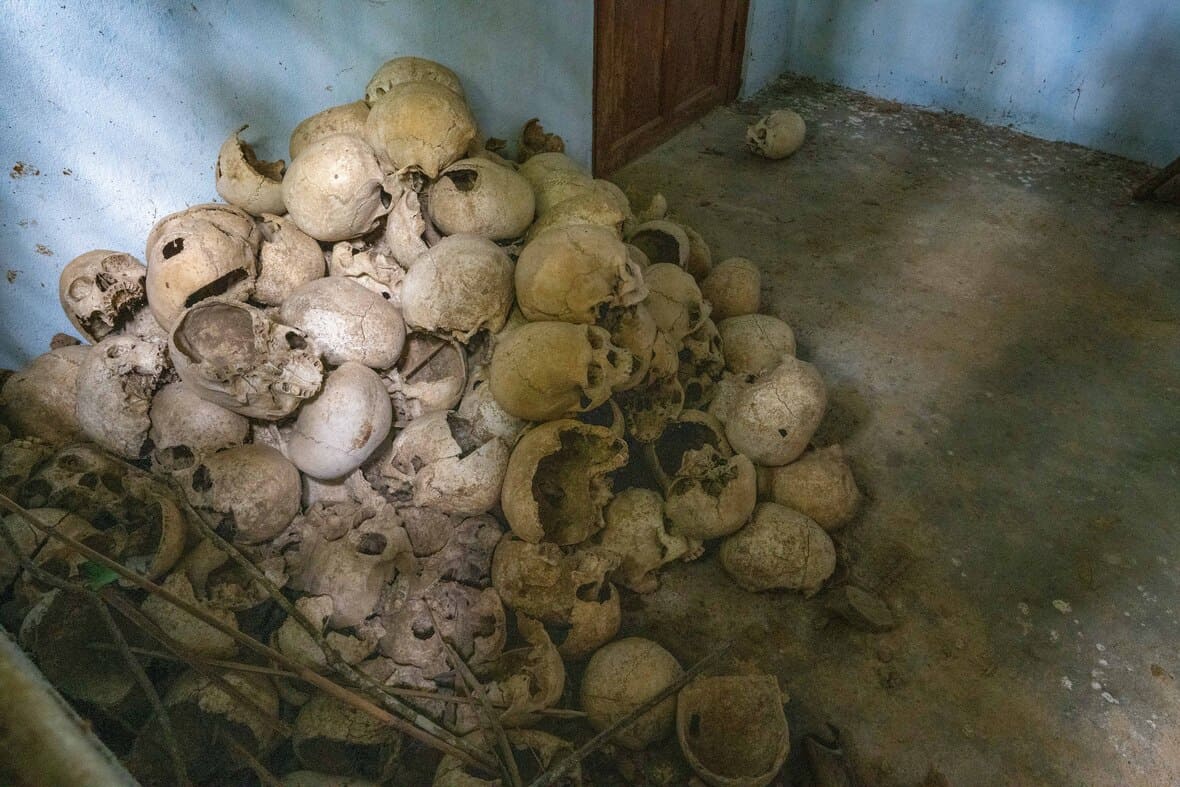
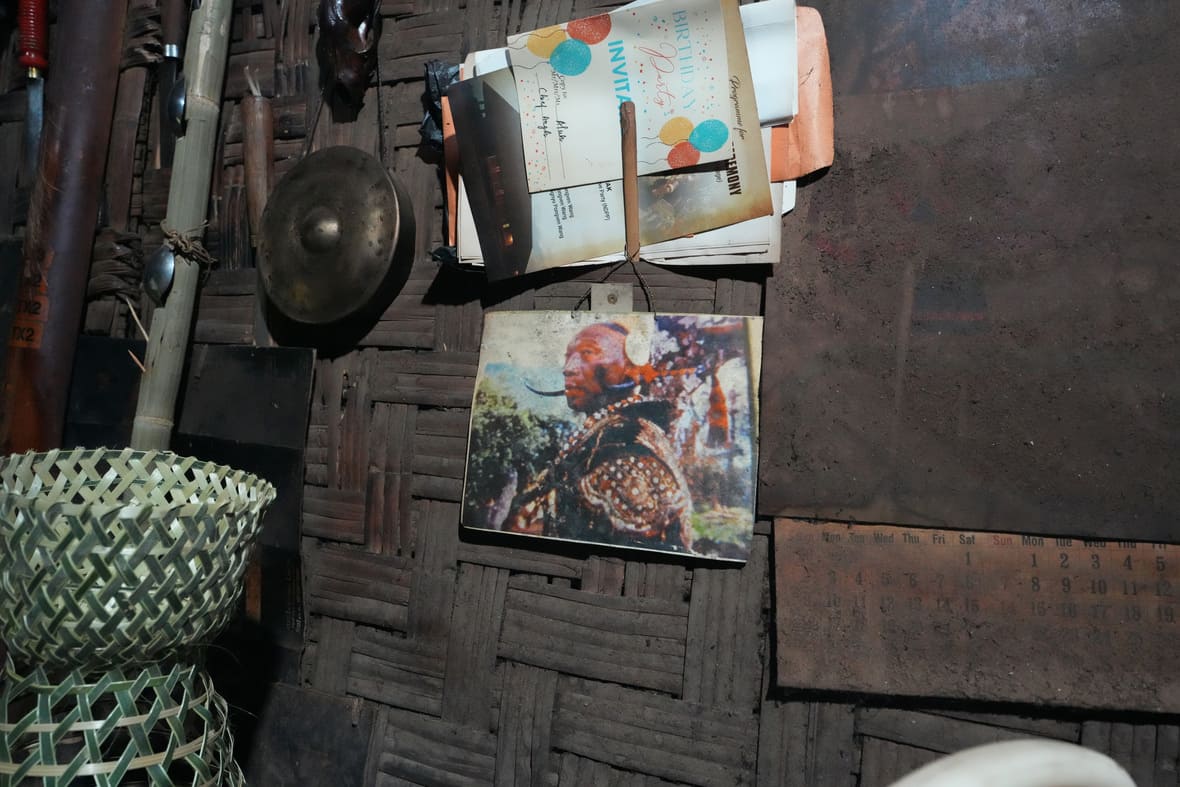
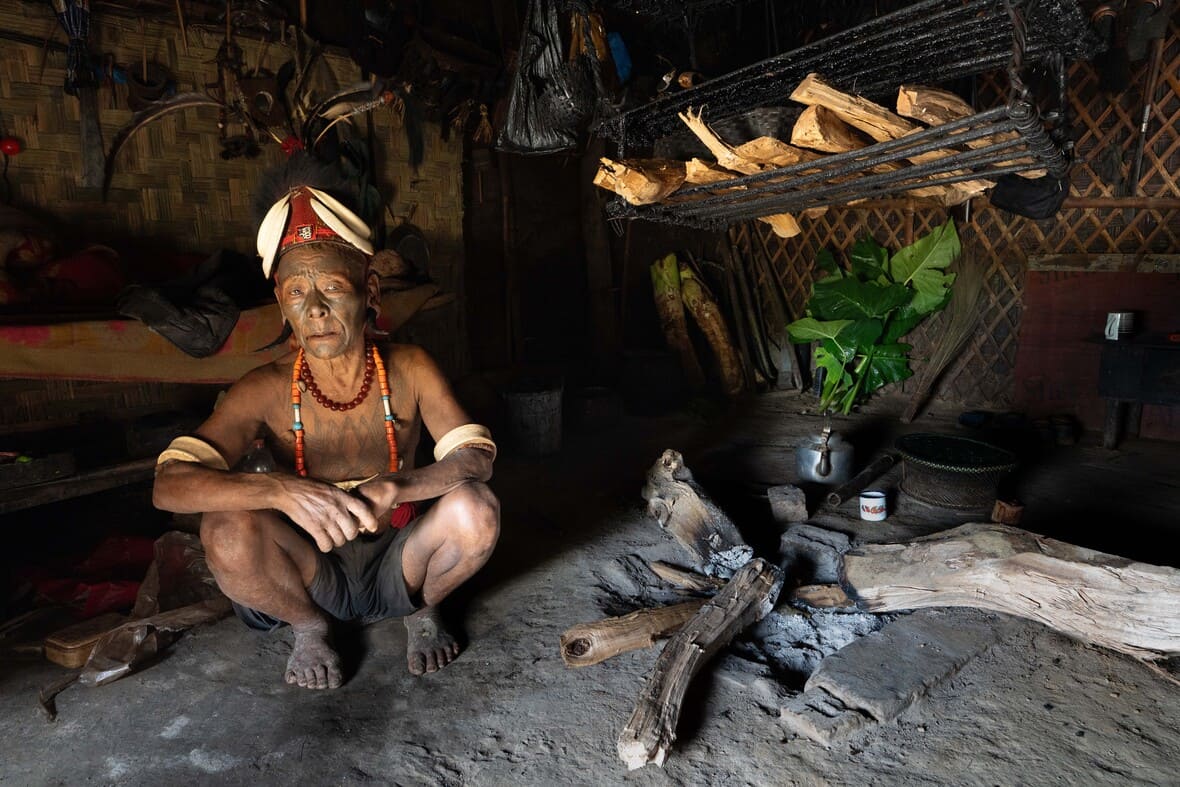
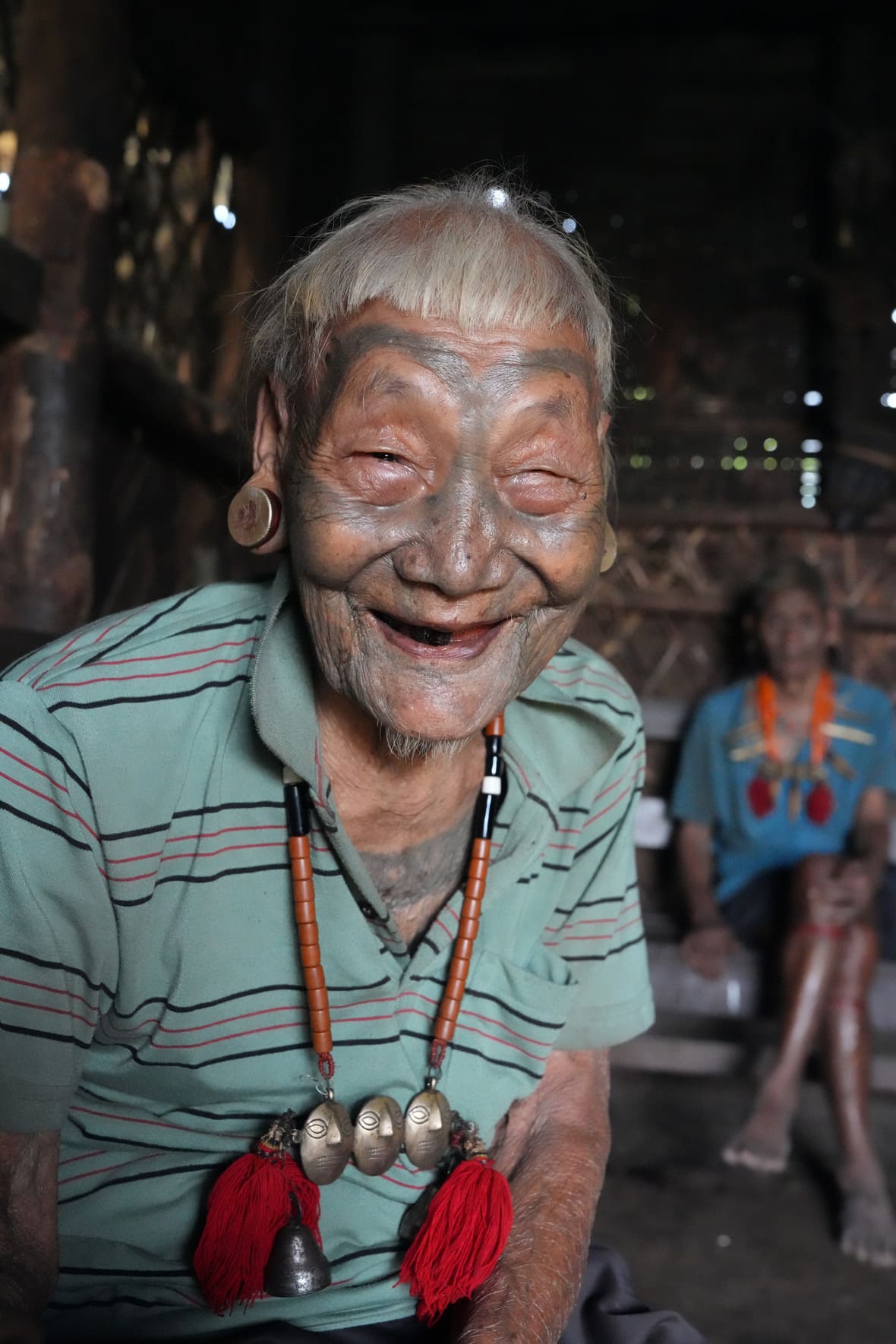
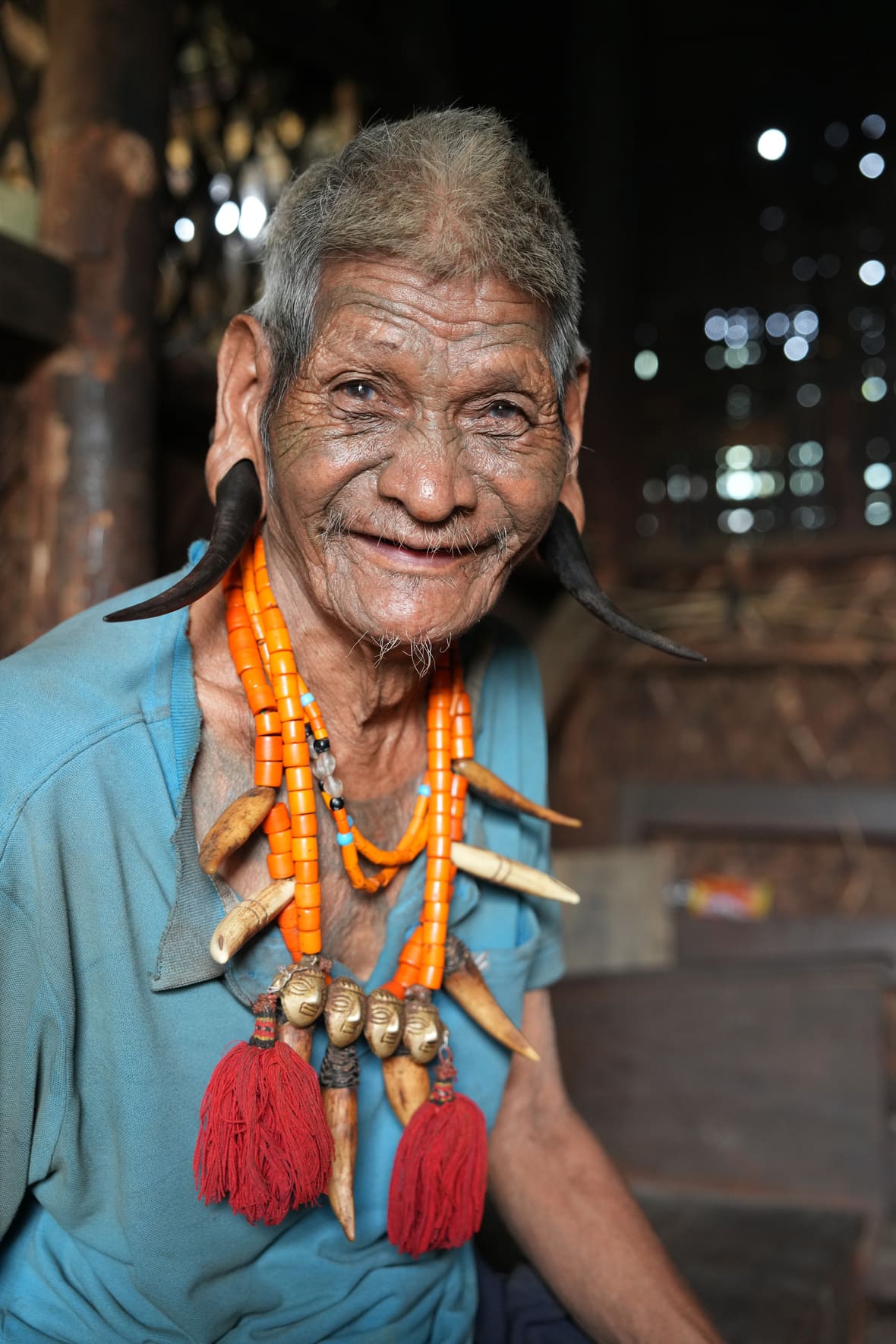
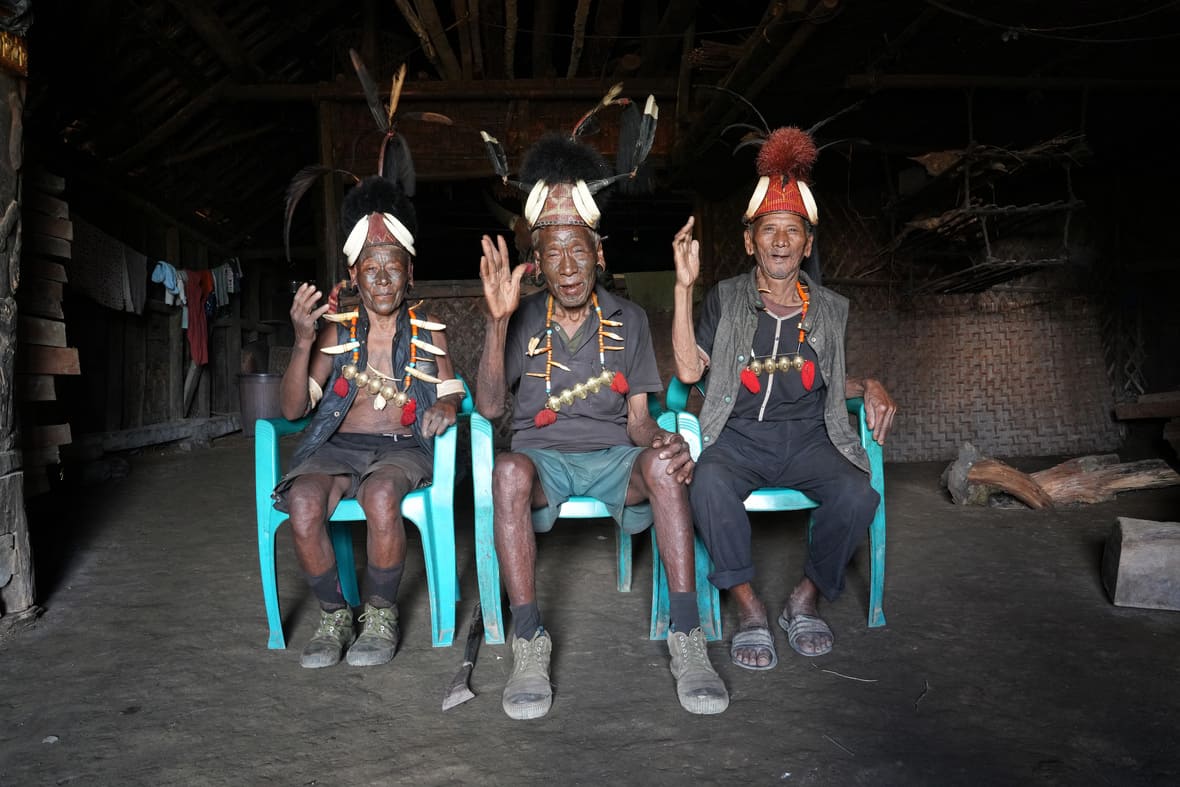
インド東端、ミャンマーと国境を接するナガランドには、「最後の首狩族」として知られたコニャック族がいる。首狩は成人男性として認められるための通過儀礼であり、敵対する村の首を狩ることが強い戦士の証明であった。首狩の成否や男女に関わらず、成人の証として顔や体に刺青が刻まれた。現在はキリスト教福音派に改宗し、首狩の風習は行われていない。最後の首狩は60年ほど前。首狩と共に刺青の伝統も失われたため、刺青世代は若くても80歳代だ。
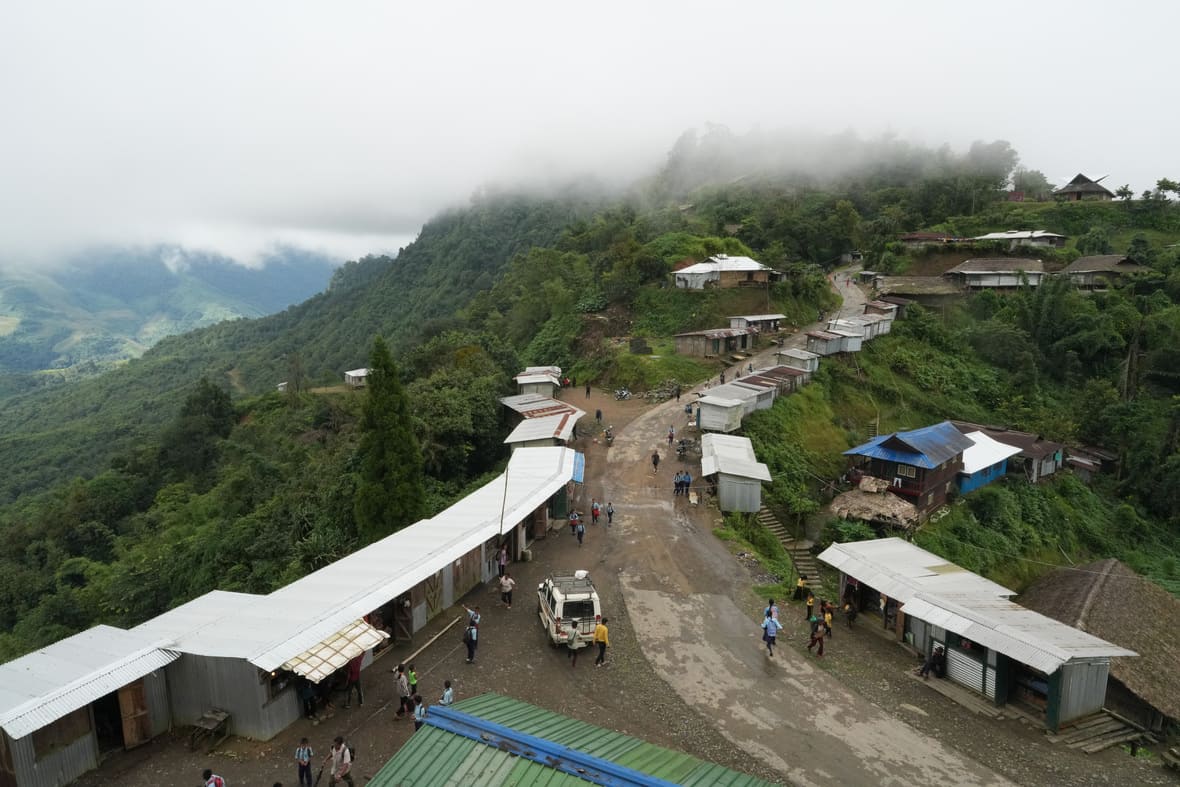
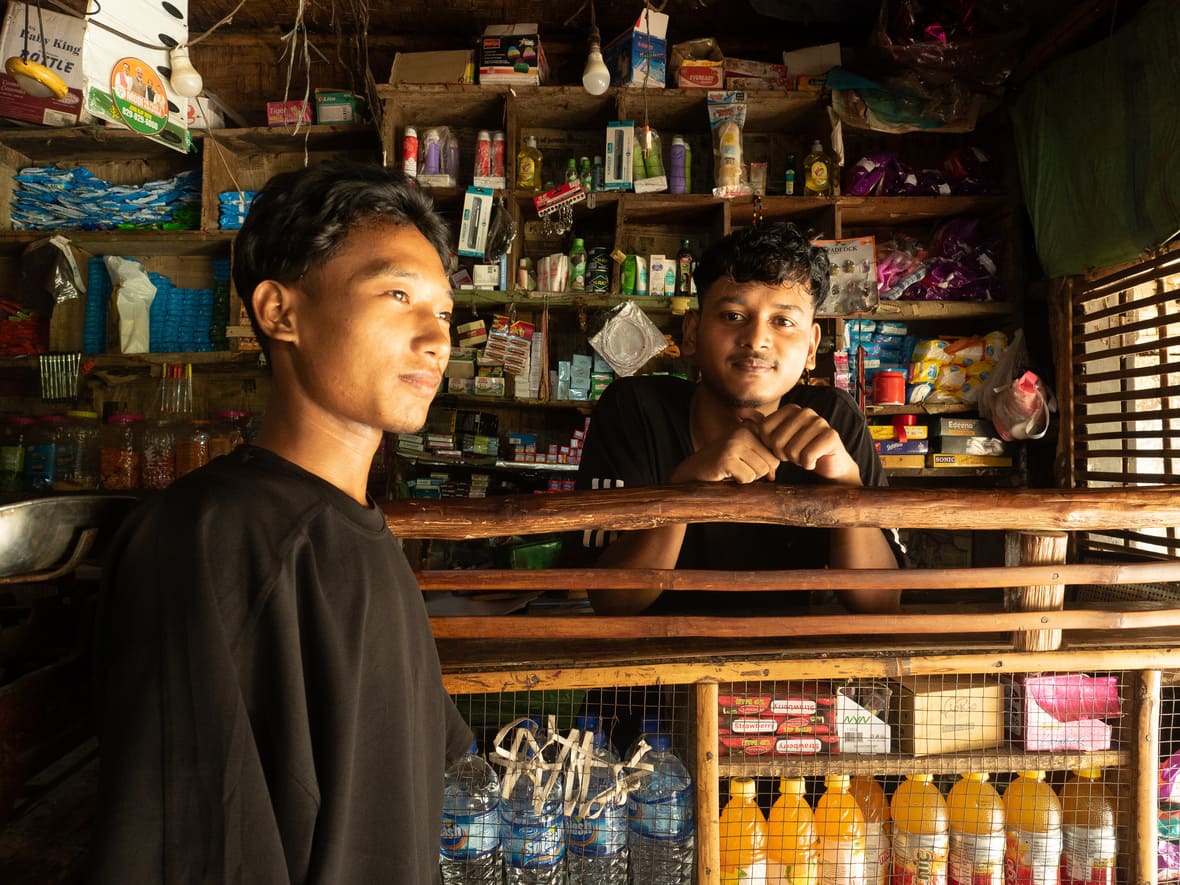
インド本土とナガランドには地理・文化・言語・宗教など、様々な面で隔たりがある。デリーでナガランドの話をすれば、「そこはインドじゃないよ」とか「知らない。どこにあるの?」と言われる。出稼ぎから戻った若者は、ボンベイで「中国人」と見なされ、差別を受けたことを打ち明けてくれた。
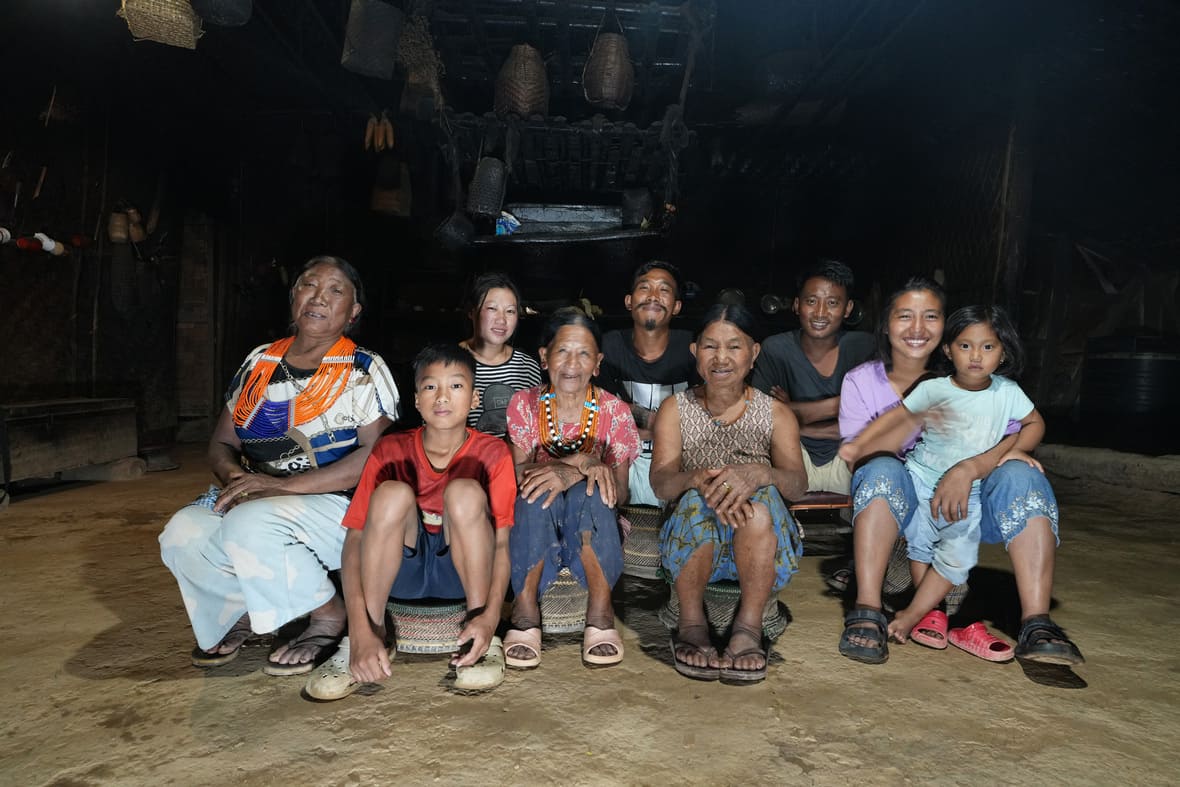
私は、鬼籍に入りつつある刺青世代の最後の姿を記録し、長期的な写真取材で彼らの営みから何が失われ、何が得られていくのかを捉えたい。また、写真を撮ることで彼らを讃えたい。
On the eastern edge of India, where Nagaland touches Myanmar, live the Konyak—the last to know the weight of the headhunt. Once, taking a rival’s life was the proof of a warrior; skin was etched with ink to mark the arrival into adulthood. Today, under the cross of Evangelical faith, the old ways have fallen quiet. The last hunt was sixty years ago. With it, the ink faded too. Those who bear these markings are now at least in their eighties, walking softly toward the end.
A vast gulf divides Nagaland from the heart of India. In Delhi, they ask, “Is that really India?” In Mumbai, a young man returning from work is called “Chinese”—a stranger in his own land.
I am here to hold the final shadows of this tattooed generation before they blend into history. Through my lens, over time, I want to trace what is lost, and what takes its place. And above all, through every photograph, I want to whisper a quiet tribute to their existence.
CATEGORIES